
Heart Attack Symptoms in Women: Risks, Warning Signs, and Prevention

Heart disease can affect women at every age. Learn the heart attack symptoms women should not ignore, the risk factors that may be unique to women, and the steps you can take to protect your heart.
Can Younger Women Have Heart Attacks?
Yes. Although heart attacks are more common later in life, women can experience them in their 30s, 40s and 50s. Research has identified increases in heart attack hospitalizations among women ages 35 to 54, along with rising rates of cardiovascular risk factors such as diabetes and obesity among younger adults. A heart attack occurs when blood flow to part of the heart becomes blocked or severely reduced. Without enough oxygen-rich blood, the heart muscle can become damaged. Knowing your personal risk factors and recognizing symptoms quickly can help protect your heart—and may save your life.
What Increases a Woman’s Risk of a Heart Attack?
Some heart disease risk factors affect women and men, while others are more closely connected to a woman’s reproductive and pregnancy history.
High Blood Pressure, Cholesterol and Diabetes
High blood pressure, high cholesterol, diabetes, smoking and excess weight can damage blood vessels and increase the likelihood of coronary artery disease. Having more than one risk factor raises the risk further. High blood pressure and high cholesterol often cause no symptoms, regular screenings are an important part of preventive heart care.
Stress and Lifestyle Factors
Chronic stress can affect sleep, blood pressure and daily habits. Physical inactivity, tobacco use, poor sleep and a diet high in sodium, added sugar and saturated fat can also contribute to cardiovascular risk. These factors do not mean a heart attack is inevitable. Even small, sustainable changes can improve your heart health over time.
Pregnancy-Related Conditions
Your pregnancy history is part of your heart health history. Preeclampsia, high blood pressure during pregnancy and gestational diabetes may increase your risk of developing cardiovascular disease later in life. Early menopause may also be associated with increased heart disease risk. Talk to your primary care provider or cardiologist about any complications you experienced during pregnancy, even if they happened many years ago.
Spontaneous Coronary Artery Dissection
Spontaneous coronary artery dissection, commonly called SCAD, occurs when a tear or separation develops within the wall of a coronary artery. This can reduce blood flow and cause a heart attack. SCAD is an important cause of heart attacks in younger women and can occur in people who appear healthy and do not have traditional risk factors for coronary artery disease. Most people diagnosed with SCAD are women.
What Are the Signs of a Heart Attack in Women?
Chest pain or discomfort is the most common heart attack symptom in women and men. However, women may also experience symptoms that are less readily recognized as signs of a heart attack. Heart attack symptoms in women can include:
- Pressure, squeezing, fullness, pain or discomfort in the chest
- Shortness of breath, with or without chest discomfort
- Pain or discomfort in one or both arms
- Back, shoulder, neck, jaw or upper abdominal pain
- Nausea, vomiting or an upset stomach
- Light-headedness, dizziness or fainting
- Cold sweats
- Unusual, extreme or unexplained fatigue
- A sudden feeling that something is seriously wrong
Symptoms may begin suddenly or develop gradually. They may also come and go. Women sometimes attribute symptoms to stress, indigestion, anxiety, exhaustion or a busy schedule, which can delay lifesaving treatment.
When Should You Call 911?
Call 911 immediately when you or someone near you may be experiencing heart attack symptoms. Do not wait for symptoms to become severe, and do not drive yourself to the hospital. Emergency medical professionals can begin evaluating and treating a possible heart attack while transporting you to the emergency department.
How Can Women Lower Their Heart Disease Risk?
Many heart attacks can be prevented by identifying and managing modifiable risk factors. Healthy habits that support your heart include:
- Eating vegetables, fruits, whole grains, beans, nuts and other nutrient-rich foods
- Choosing lean proteins, including fish and poultry
- Limiting sodium, added sugar, highly processed foods and saturated fat
- Getting at least 150 minutes of moderate-intensity aerobic activity each week
- Including strength-building activities at least two days per week
- Getting seven to nine hours of sleep each night
- Finding healthy ways to manage stress
- Avoiding smoking, vaping and other tobacco or nicotine products
- Limiting alcohol or choosing not to drink
- Maintaining a weight that supports your overall health
- Taking prescribed medications as directed
- Keeping regular appointments with your health care provider
Adults should generally aim for at least 150 minutes of moderate-intensity aerobic activity or 75 minutes of vigorous activity each week. Talk with your provider before beginning a new exercise program when you have a heart condition, concerning symptoms or other medical needs.
Know Your Heart Health Numbers
Regular preventive care can help uncover cardiovascular risks before symptoms develop. Ask your provider about monitoring your:
- Blood pressure
- Total cholesterol, LDL cholesterol, HDL cholesterol and triglycerides
- Blood sugar or A1C
- Weight and waist measurement
- Family history of heart disease
- Personal history of pregnancy complications
Your provider can help you understand what your numbers mean and whether lifestyle changes, additional testing or medication may be appropriate.
When Should a Woman See a Cardiologist?
Consider talking with your primary care provider or a cardiologist when you have:
- Chest pain, pressure or discomfort
- Unexplained shortness of breath
- Heart palpitations or an irregular heartbeat
- Dizziness, fainting or unusual fatigue
- High blood pressure or high cholesterol
- Diabetes
- A strong family history of early heart disease
- A history of preeclampsia, gestational hypertension or gestational diabetes
- Questions about your personal heart disease risk
New or severe symptoms may require emergency care. Call 911 when you think you could be having a heart attack.
Personalized Heart Care Close to Home
Heart health is personal. Your age, family history, pregnancy history, health conditions and lifestyle all contribute to your cardiovascular risk. The cardiologists at Emerson Health provide expert diagnosis, preventive care and treatment for conditions including high blood pressure, high cholesterol, coronary artery disease, heart rhythm disorders and heart failure. Cardiology appointments are available in Concord and Littleton, making specialized heart care accessible close to home.
Our Practice
-
Emerson Health Cardiology
131 Old Road to Nine Acre Corner
Suite 330
Concord, MA 01742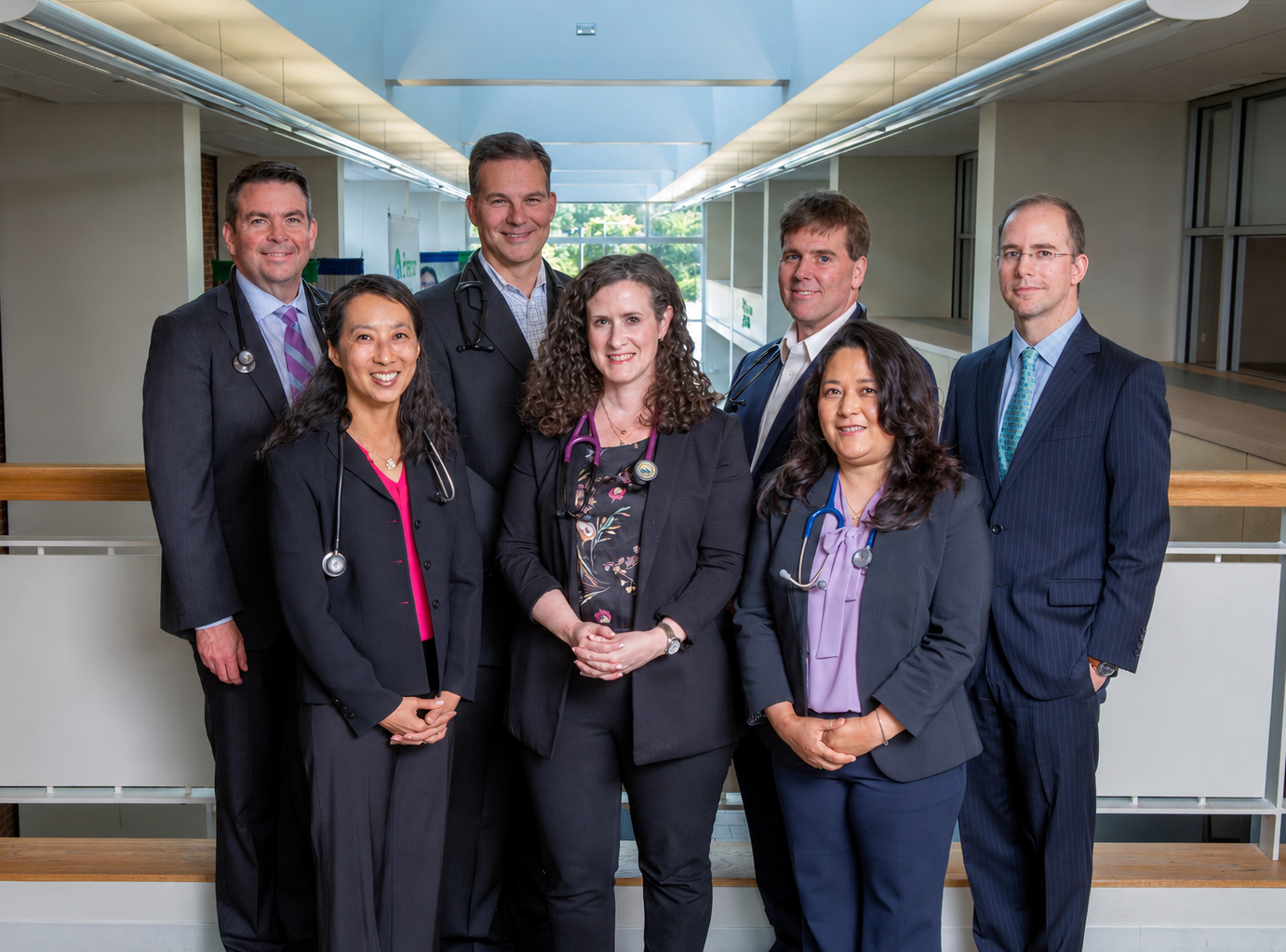
Related Content
-
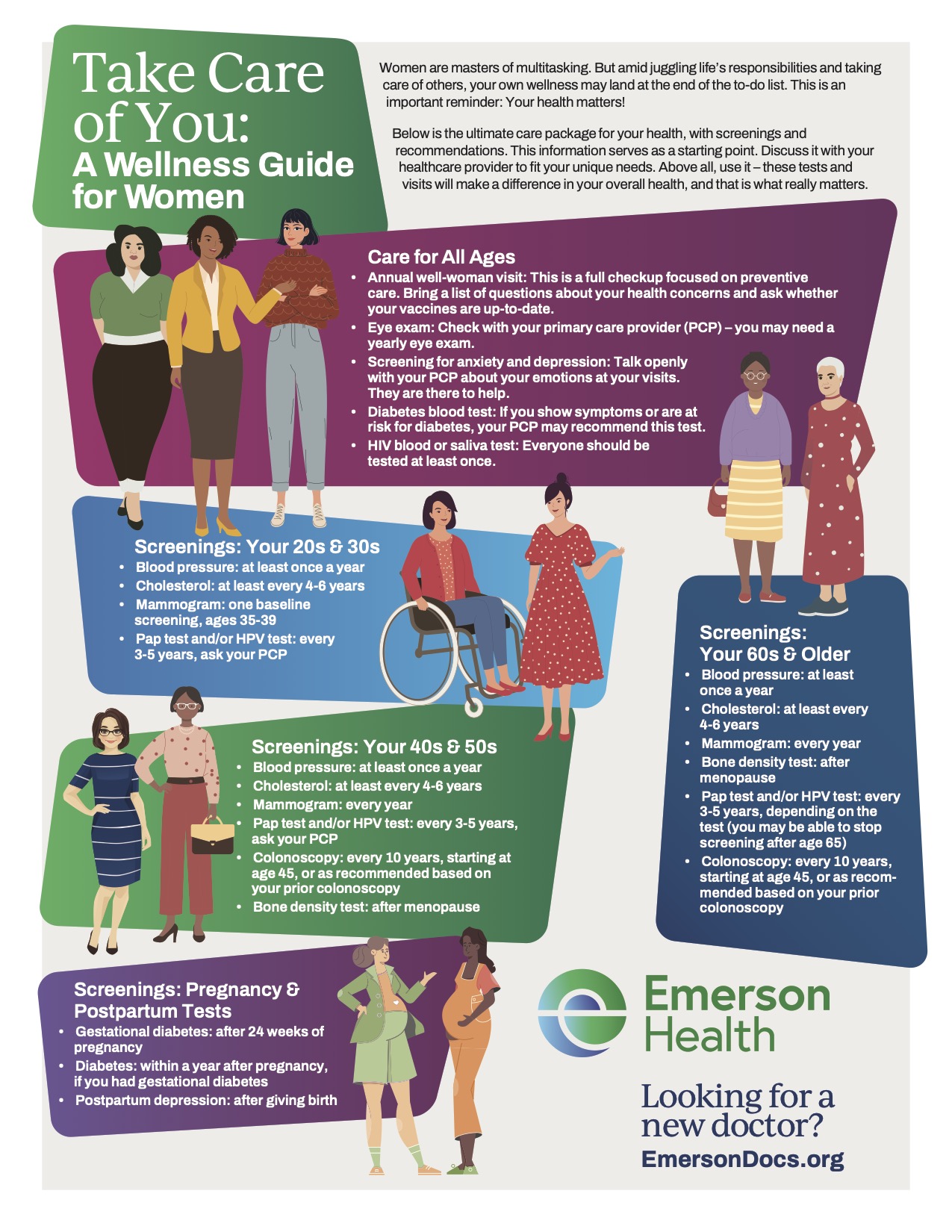
Women’s Wellness Guide
Click here to download a printable PDF of this image.
-

More Than A Headache – Managing Migraines
Migraines, affecting nearly one in four women, are more than just severe headaches; they can significantly disrupt daily life. Understanding common triggers—such as hormonal changes, stress, and dietary factors—and exploring treatments like…
-

Tips for a Healthy Heart
Heart attacks are the leading cause of death for men and women of nearly all racial and ethnic groups in the United States. Take care of your heart with these