
Hernia Surgery and Repair
Emerson Health offers evaluation and surgical repair for common hernias, including inguinal, umbilical, ventral, and incisional hernias. Learn about symptoms, treatment options, recovery, and how to request an appointment.
Expert hernia care, close to home
Hernias are common, but they should not be ignored. Some hernias cause only mild discomfort at first, while others can become painful, enlarge over time, or lead to complications. If you have a painful bulge, pressure, or discomfort in your groin or abdomen, Emerson Health’s general surgeons can evaluate your symptoms and recommend the right treatment plan.
Hernia Surgery and Repair at Emerson Health
At Emerson Health, you can receive a surgical evaluation close to home, with a care team that will explain your options clearly, answer your questions, and help you understand what to expect before, during, and after surgery.
Think you may have a hernia? Depending on your insurance plan, you may be able to request an appointment directly. If your plan requires a referral, our team can help guide you through the process. Call 978-287-3547 or request an appointment online.
Why Choose Emerson Health for Hernia Surgery?
Surgical care that is close, coordinated, and personal
Emerson Health is nationally recognized for quality and safety, including CMS 5-Star Overall Hospital Quality Rating and Leapfrog “A” Hospital Safety Grade.
Patients choose Emerson Health for:
- Fast access, from your fist appointment within a few days, to hernia repair within weeks
- Experienced surgeons and a dedicated support team
- Personalized recommendations based on your symptoms and goals
- Coordinated pre-operative and post-operative care
- Convenient access in Concord
- The highest quality and safety scores

Think you may have a hernia?
You do not need to wait until symptoms become severe. If you have a bulge, pain, pressure, or discomfort that may be caused by a hernia, request an appointment with Emerson Health General Surgery. At your visit, we will help you understand what is causing your symptoms and whether hernia repair is recommended. Complete the form below or call 978-287-3547.
Hernias We Treat
Common Types of Hernias
We offer surgical repair for common hernias, including inguinal, umbilical, ventral, and incisional hernias. Many common hernia repairs can be performed using minimally invasive techniques, depending on the type of hernia, your overall health, and your surgeon’s recommendation. Emerson Health has exestive experience evaluating and treating abdominal wall and groin hernias, including:
- Inguinal Hernia / Groin Hernia: An inguinal hernia occurs when tissue pushes through a weak area in the groin. It may appear as a bulge in the groin or scrotum and may become more noticeable when coughing, lifting, or straining. Inguinal hernias are one of the most common types of hernias.
- Umbilical Hernia: An umbilical hernia occurs near the belly button. It may cause a visible bulge, pressure, or discomfort, especially when coughing or straining.
- Ventral Hernia: A ventral hernia occurs through a weak area in the abdominal wall. It may appear above or near the belly button or elsewhere on the abdomen.
- Incisional Hernia: An incisional hernia can develop at the site of a previous surgical incision, where the abdominal wall has weakened.
When Should I See a Surgeon?
Do not wait for symptoms to become severe
You should consider scheduling a surgical evaluation if you notice:
- A new or enlarging bulge in the groin, abdomen, or belly button area
- Pain, pressure, or discomfort at the hernia site
- Symptoms that interfere with work, exercise, lifting, or daily activities
- A hernia that is becoming harder to push back in
- A hernia that has been previously repaired and appears to have returned
A hernia will not repair itself. Some small, minimally symptomatic hernias can be watched safely, but others are best repaired before they become larger or more painful. International groin hernia guidelines recommend surgery for symptomatic groin hernias and note that watchful waiting may be appropriate for some minimally symptomatic male inguinal hernias after a discussion of risks and expectations.
Our Experienced Surgeons
-

-

-

-

Elizaveta Ragulin Coyne
MD, FACS
Breast Health, General Surgery, Hernia Repair
Accepting new patients
Our Location
-
Hernia Center at Emerson Health Surgery
131 Old Rd to 9 Acre Corner
Suite 500
Concord, MA 01742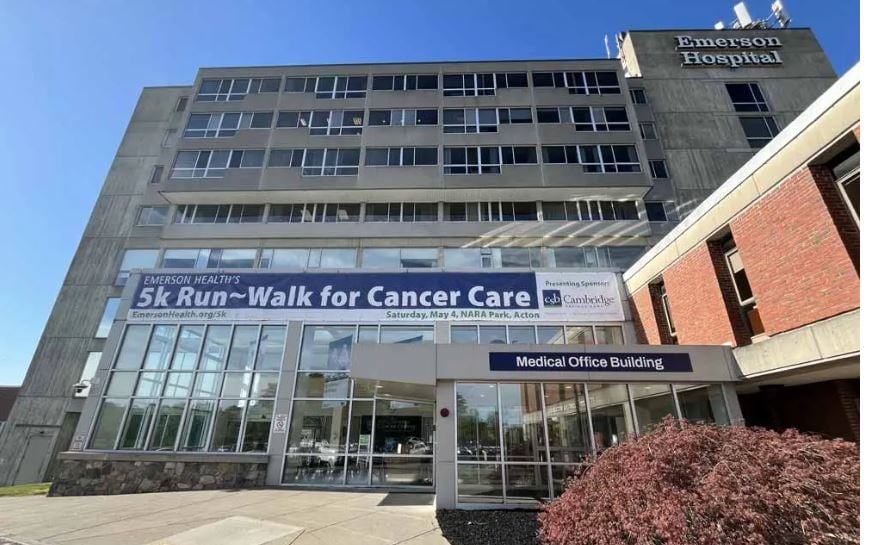
Learn More
Frequently Asked Questions
Related Content
-

Do I Have a Hernia? Symptoms You Should Not Ignore
A hernia may cause a bulge, pressure, aching, or discomfort in the groin or abdomen. Learn common hernia symptoms and when to seek medical care.
-

Types of Hernias: Inguinal, Umbilical, Ventral and Incisional, What’s the Difference?
Learn the difference between common hernia types, including inguinal, umbilical, ventral, and incisional hernias, and when to see a surgeon.